In the rapidly evolving landscape of digital media, where video rendering and streaming services demand unprecedented levels of performance and scalability, the adoption of advanced networking technologies has become paramount. Among these, InfiniBand network adapters, colloquially known as IB network cards, have emerged as a game-changer, particularly for high-performance computing (HPC) environments and modern data centers. This article delves into the technical intricacies of InfiniBand technology, explores its unique features, highlights its key applications in video rendering and streaming, and forecasts its promising future trends.
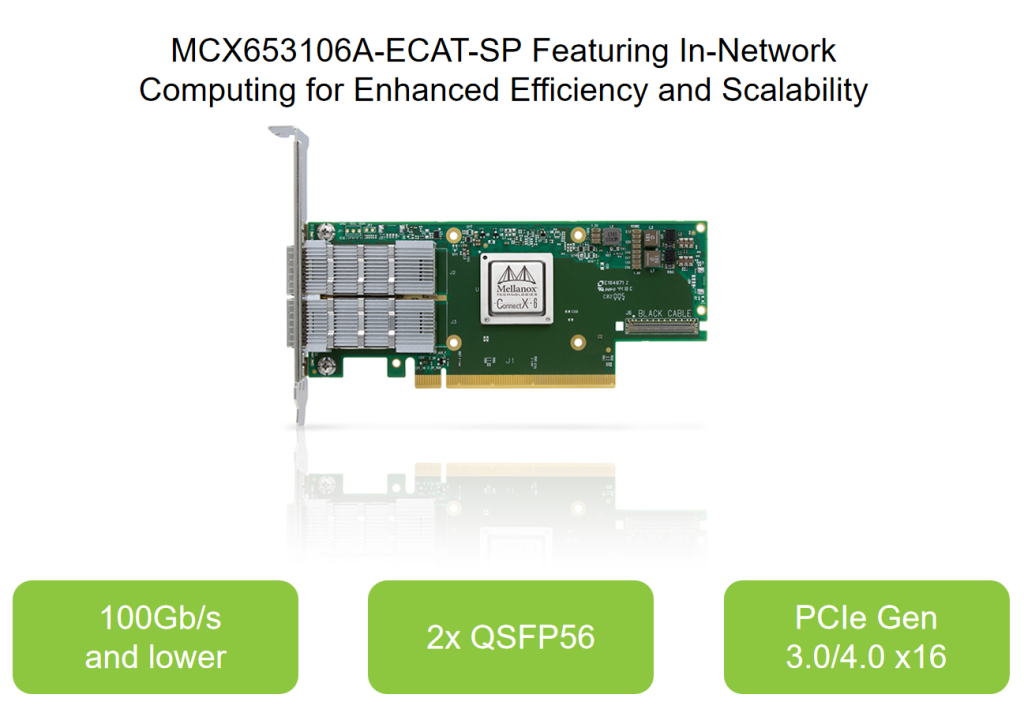
InfiniBand Network Adapter Technology Overview
InfiniBand network adapters represent the cutting edge of networking solutions designed exclusively for HPC clusters and large-scale data centers. This technology leverages a high-speed, low-latency interconnect architecture that significantly outperforms traditional Ethernet networks in terms of bandwidth, latency, and CPU utilization. InfiniBand's core design philosophy revolves around delivering unparalleled performance for data-intensive applications, making it an ideal choice for industries that rely heavily on real-time data processing and high-throughput communication.
Technical Characteristics of InfiniBand Network Adapters
1. High-Speed Transmission: IB network adapters support blazing-fast data transfer rates of up to several hundred Gbps, far surpassing the capabilities of conventional Ethernet cards. This feature is crucial for handling massive data streams generated by video rendering and streaming workloads.
2. Low Latency: Compared to Ethernet, InfiniBand networks offer significantly lower latency, enabling near-instantaneous communication between nodes. This characteristic is vital for applications requiring precise timing and synchronization, such as real-time video processing and live streaming.
3. CPU Offload: By leveraging hardware-accelerated data processing and forwarding mechanisms, IB network adapters substantially reduce the burden on CPUs. This CPU unloading capability frees up computational resources for core application tasks, enhancing overall system performance and efficiency.
4. Intelligent Management: InfiniBand networks boast a comprehensive suite of management features, including advanced routing, switching, and traffic control capabilities. These features enable seamless network configuration, optimization, and troubleshooting, ensuring optimal performance and reliability in complex environments.
Applications of InfiniBand Network Adapters in Video Rendering and Streaming Services
1. High-Resolution Video Rendering: Video rendering processes often involve intensive computations and large data sets. InfiniBand's high bandwidth and low latency enable rapid data transfers between rendering nodes, significantly accelerating the rendering process and facilitating the creation of high-resolution, visually stunning videos.
2. Live Streaming and Broadcasting: For live streaming and broadcasting applications, InfiniBand networks ensure seamless, high-quality video transmission with minimal latency. This capability is essential for delivering real-time video content to global audiences without compromising on quality or experience.
3. Cloud-Based Video Processing: As more and more video processing workloads migrate to the cloud, InfiniBand networks offer an ideal solution for connecting cloud-based servers, storage systems, and GPUs. This enables efficient, scalable video processing services that can handle large volumes of data and support a diverse range of use cases.
Future Trends and Developments
InfiniBand network adapters continue to evolve, incorporating advanced features and technologies that further enhance their performance and versatility. Key trends include:
- Remote Direct Memory Access (RDMA): RDMA enables direct memory-to-memory data transfers between nodes, bypassing the CPU and operating system. This feature significantly reduces latency and improves throughput, making InfiniBand networks even more suitable for high-performance video rendering and streaming applications.
- Smart Network Computing: InfiniBand networks are increasingly incorporating intelligent computing capabilities, such as in-network processing and analytics. These capabilities enable real-time data analysis and decision-making within the network, streamlining workflows and optimizing resource utilization.
- Interoperability and Convergence: As the demand for hybrid and multi-cloud solutions grows, InfiniBand networks are evolving to support seamless interoperability with other networking technologies, including Ethernet. This convergence trend will facilitate the integration of InfiniBand into broader IT infrastructures, making it an even more attractive option for enterprises looking to modernize their networking infrastructure.
In conclusion, InfiniBand network adapters represent a powerful tool for driving innovation and efficiency in video rendering and streaming services. Their unique combination of high bandwidth, low latency, and CPU offloading capabilities make them ideally suited for demanding, data-intensive applications. As the technology continues to evolve, we can expect to see InfiniBand play an increasingly critical role in shaping the future of digital media and beyond.


